Fractional Laser
"Renew Skin from Within for a Smoother, Healthier Complexion"
A customized fractional laser resurfacing program designed to stimulate the skin's natural renewal process, helping improve acne scars, enlarged pores, uneven skin texture, and overall skin quality.
What Is Fractional Laser Resurfacing?
Fractional laser resurfacing is a skin renewal treatment that delivers microscopic laser columns into the skin while leaving surrounding tissue intact. This controlled treatment pattern supports the skin's natural healing response and collagen remodeling.
How Does Fractional Laser Treatment Work?
By creating thousands of microscopic treatment zones, fractional lasers stimulate tissue repair beneath the skin surface. As the skin heals, collagen remodeling helps improve skin texture, acne scars, enlarged pores, and overall skin quality over time.
A Personalized Fractional Laser Program
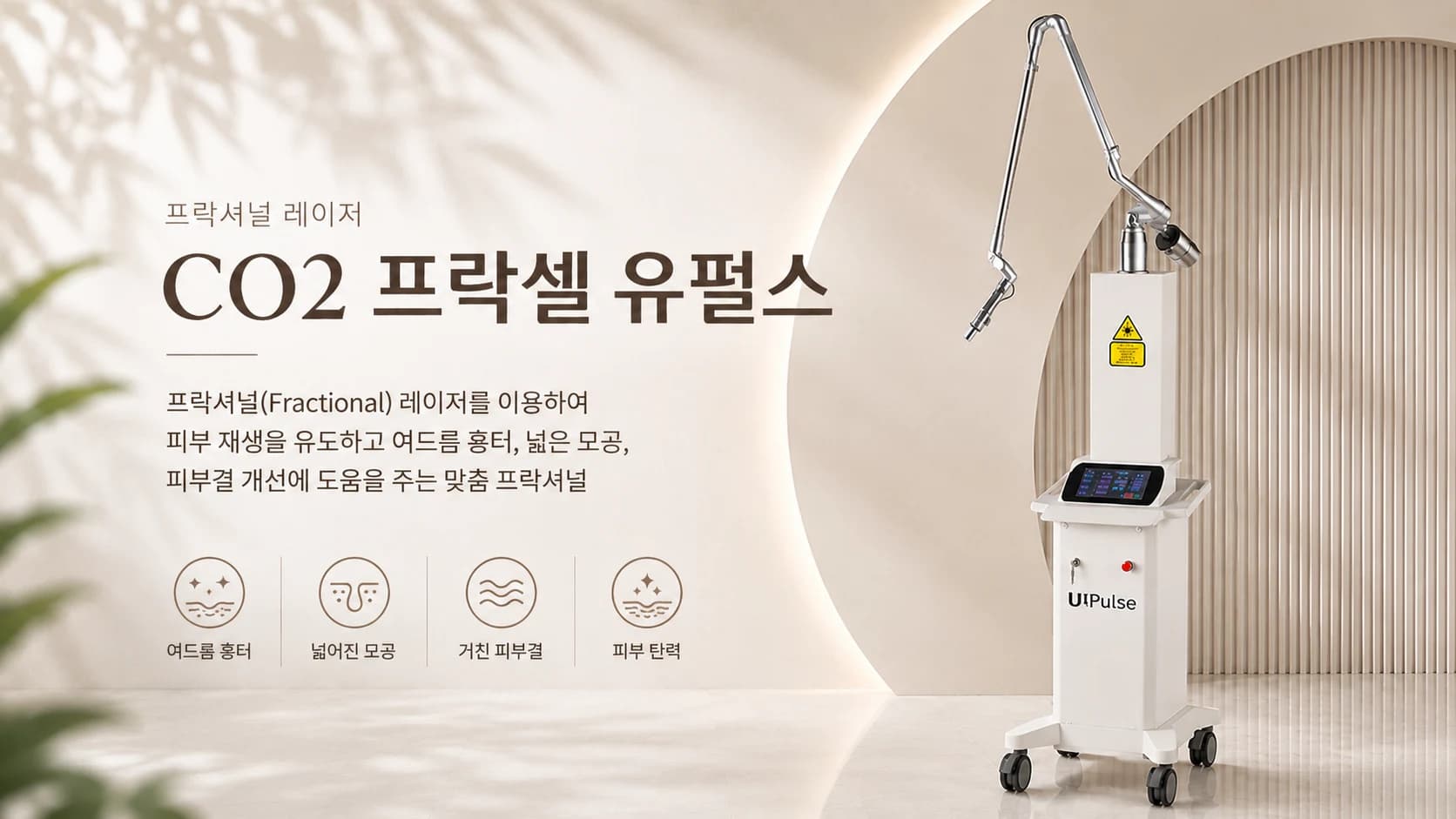
At Cellence Clinic, various fractional laser technologies—including DOE Fractional Laser, PicoSure® MLA Fractional Laser (Pico Focus), and U-Pulse Fractional Laser—are selected according to each patient's skin condition, scar type, pore size, and treatment goals.
What Skin Concerns Can Be Treated?
Fractional laser resurfacing is commonly recommended for acne scars, enlarged pores, rough skin texture, and early signs of skin aging. Treatment settings are customized to balance clinical effectiveness with an appropriate recovery period.
Why Is Post-Treatment Care Important?
A soothing modeling mask is applied immediately after treatment to help calm the skin, replenish hydration, and improve comfort during the initial healing phase.
- Recommended Interval
- Recommended at approximately 3–4-week intervals
- Recommended Sessions
- A series of approximately 3–5 sessions is generally recommended
- Recovery Time
- Typical recovery period: 3–7 days
Benefits
Recommended For
Treatment Process
FAQ
What skin concerns can fractional laser resurfacing treat?
Fractional laser resurfacing is commonly used to address acne scars, enlarged pores, uneven skin texture, and mild skin laxity. The most appropriate treatment approach depends on your individual skin condition and treatment goals.
What is the difference between conventional fractional lasers and Pico fractional lasers?
Although both treatments create controlled microscopic treatment zones, they differ in laser technology and the way energy is delivered into the skin. Your provider will recommend the most appropriate device based on your skin type, scar characteristics, and desired outcome.
How many treatment sessions are recommended?
Most patients benefit from a series of three to five treatments performed at intervals of approximately three to four weeks. The exact number depends on the severity of the scars, pore size, and individual skin response.
How long is the recovery period?
Mild redness, swelling, and fine micro-crusting are common after treatment and typically improve within approximately three to seven days, although healing time varies from person to person.
When can I wash my face and wear makeup?
Gentle cleansing is generally possible on the same day. Makeup is often resumed the following day once the skin condition allows, although your medical provider may recommend a different timeline depending on the intensity of treatment.