Laser Toning
"Laser Toning for a Clearer, More Even-Looking Complexion"
A personalized pigmentation treatment using a 1064 nm Q-switched Nd:YAG laser to gradually improve melasma, freckles, sun spots, post-inflammatory hyperpigmentation, and uneven skin tone.
What Is Laser Toning?
Laser Toning is a pigmentation treatment that uses a 1064 nm Q-switched Nd:YAG laser to selectively target melanin within the skin. Low-fluence laser energy is delivered over a series of sessions to support gradual improvement in uneven pigmentation and overall skin tone.
How Does Laser Toning Work?
The laser targets melanin with controlled energy, breaking pigment into smaller particles that are gradually cleared through the body’s natural processes. Treatment settings are adjusted according to pigment type, skin tone, sensitivity, and treatment response.
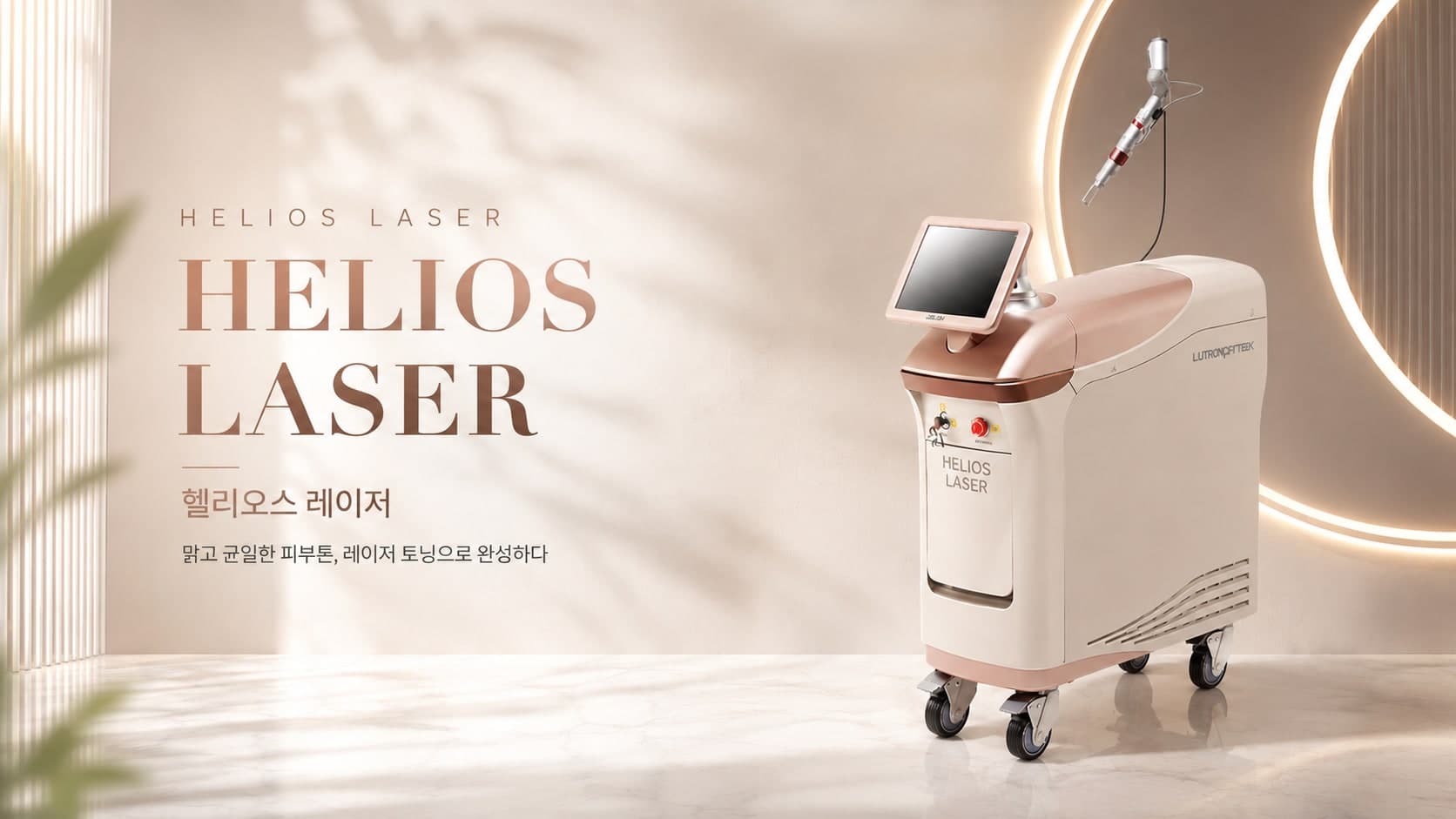
What Is HELIOS III Laser Toning?
HELIOS III is a Q-switched Nd:YAG laser platform used for the gradual treatment of melasma, uneven pigmentation, and overall skin-tone concerns. It delivers 1064 nm laser energy to target pigment located within the skin.
What Pigmentation Concerns May Be Treated?
Laser Toning may be used for selected cases of melasma, freckles, sun spots, post-inflammatory hyperpigmentation, and uneven skin tone. Results vary depending on the type, depth, and cause of the pigmentation.
Why Are Multiple Sessions Recommended?
Pigmentation is generally treated gradually to reduce excessive skin irritation and unwanted pigment changes. A series of treatments allows the skin’s response to be monitored and the laser settings to be adjusted when necessary.
What Is the Purpose of the Post-Treatment Mask?
A sheet mask or modeling mask may be applied after laser treatment to soothe the skin, provide hydration, and improve comfort during the early recovery period.
- Recommended Interval
- Recommended at approximately 1–2-week intervals
- Recommended Sessions
- A series of approximately 5–10 sessions is generally recommended
- Recovery Time
- Normal daily activities can usually be resumed on the same day
Benefits
Recommended For
Treatment Process
FAQ
What types of pigmentation may benefit from Laser Toning?
Laser Toning may be used for selected cases of melasma, freckles, sun spots, post-inflammatory hyperpigmentation, and uneven skin tone. The appropriate treatment plan depends on the type, depth, and cause of the pigmentation.
What is HELIOS III?
HELIOS III is a Q-switched Nd:YAG laser platform that uses 1064 nm laser energy to selectively target melanin and gradually improve uneven pigmentation and skin tone.
How many treatments are recommended?
The recommended number varies according to pigment type and individual skin condition. A series of approximately five to ten sessions at intervals of two to four weeks is commonly recommended.
What is the difference between a sheet mask and a modeling mask?
Both are used to soothe and hydrate the skin after treatment. The appropriate option may be selected according to skin condition, sensitivity, and post-treatment care needs.
Can I apply makeup after treatment?
Gentle cleansing and light makeup are generally possible on the same day when the skin is comfortable. Irritating skincare products should be avoided for approximately two to three days or as directed by your medical provider.