Mole & Benign Skin Lesion Removal
"Precise CO₂ Laser Removal for Clearer-Looking Skin"
A customized skin lesion removal program using a CO₂ laser to precisely treat moles, milia, flat warts, skin tags, seborrheic keratoses, and other selected benign skin lesions.
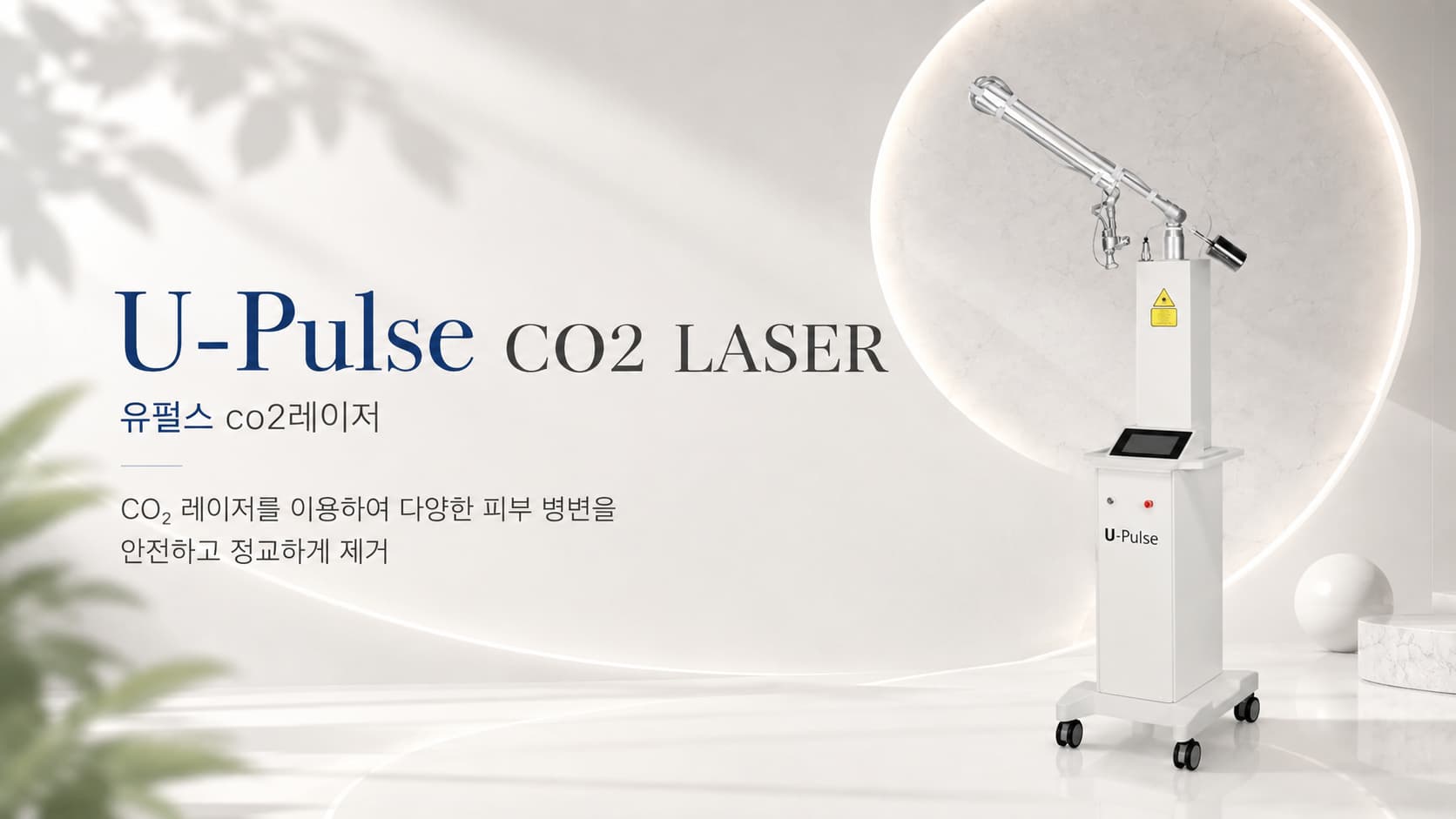
What Is Mole & Benign Skin Lesion Removal?
This treatment is designed to remove selected benign skin lesions such as moles, milia, flat warts, skin tags, and seborrheic keratoses. Removal may be considered for cosmetic reasons or when lesions are repeatedly irritated by friction.
How Does CO₂ Laser Removal Work?
A CO₂ laser precisely vaporizes or ablates targeted tissue using controlled energy. Treatment depth and intensity are adjusted according to the type, size, location, and depth of each lesion.
Which Skin Lesions Can Be Treated?
The treatment may be used for selected moles, milia, flat warts, skin tags, common warts, and seborrheic keratoses. Multiple lesions on the face or neck may also be treated during one session when appropriate.
Why Is a Skin Assessment Necessary?
Not every raised, pigmented, or changing lesion is suitable for cosmetic laser removal. Lesions with irregular borders, rapid growth, bleeding, color changes, or other suspicious features may require further medical evaluation before treatment.
Will One Treatment Be Enough?
Small and superficial lesions may improve after one session. Deeper moles, recurrent lesions, and certain warts may require additional treatment depending on their depth and biological characteristics.
What Happens After Removal?
A small wound, crust, or shallow depression may remain temporarily as new skin forms. Proper wound care, protective dressing, moisturization, and sun protection help support recovery and reduce the risk of post-inflammatory pigmentation.
- Recommended Interval
- Treatment time is approximately 10–30 minutes
- Recommended Sessions
- Normal daily activities can usually be resumed on the same day
- Recovery Time
- Additional treatment may be required depending on lesion type and depth
Benefits
Recommended For
Treatment Process
FAQ
Can moles and flat warts be removed during the same session?
Yes. After evaluating the skin, selected moles, milia, flat warts, skin tags, and other benign lesions may be treated during the same session.
Can every lesion be completely removed in one treatment?
Results depend on the type, size, and depth of the lesion. Some lesions may require additional treatment, and complete removal cannot always be guaranteed after one session.
Will I need to wear a wound-healing dressing?
A protective hydrocolloid or wound-healing dressing may be recommended after removing moles or deeper lesions. The required duration depends on the size, depth, and location of the treated area.
Can the treatment leave a scar?
Scarring is possible with any ablative procedure. The risk depends on lesion depth, size, skin type, healing response, and aftercare. Careful treatment and proper wound care may help reduce the risk.
When can I wash my face and apply makeup?
Gentle cleansing may be possible on the same day or the following day, depending on the treated area and dressing used. Makeup should be applied only after the wound has sufficiently closed and according to your medical provider’s instructions.